
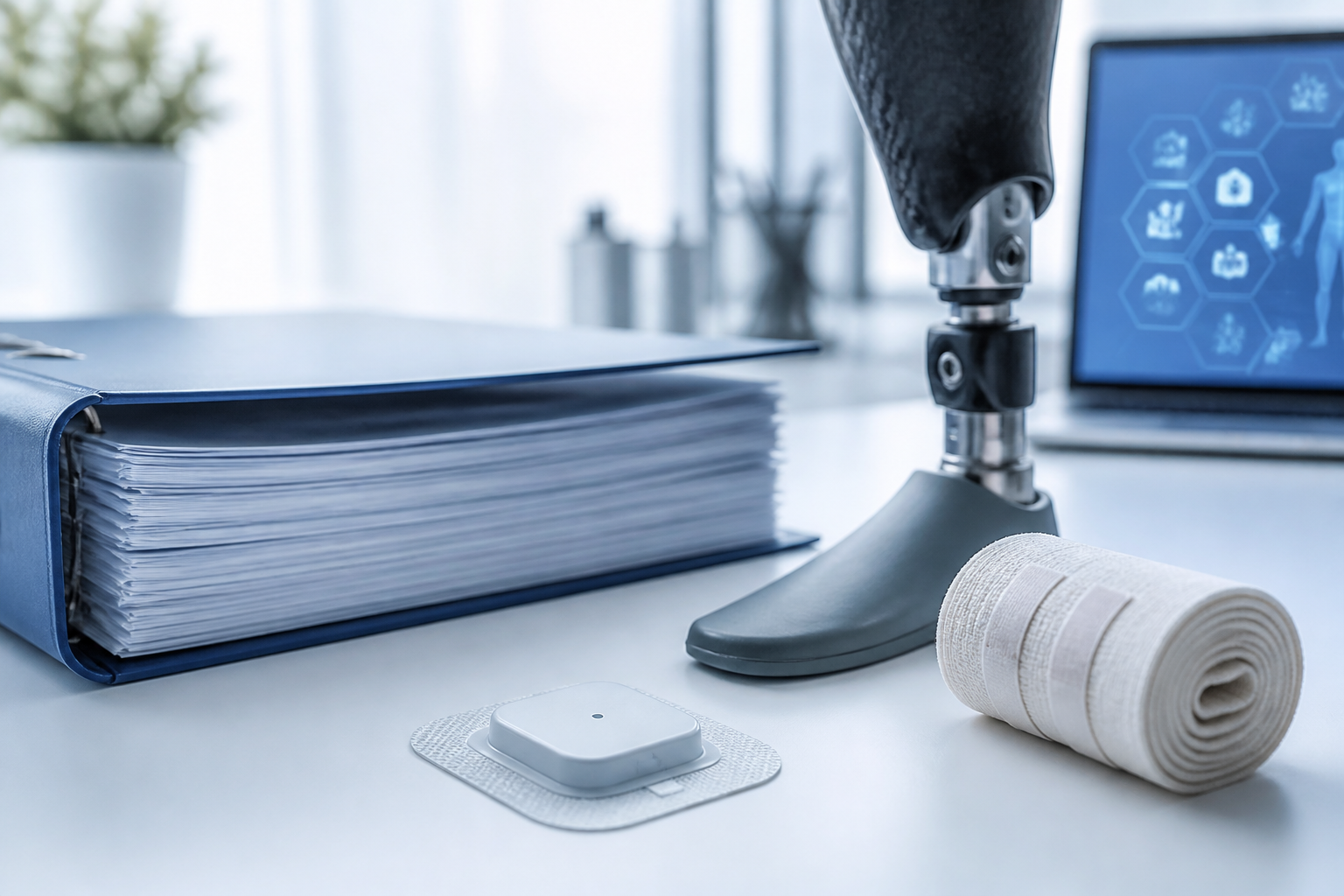
CMS’s Nov. 2026 HCPCS Meeting: New Codes to Track
CMS’s Nov. 2-3 HCPCS Level II meeting previews dozens of new code requests, from a spinal stimulator to 20 wound-care products — here’s what coders should watch.
·
CMS’s Nov. 2-3 HCPCS Level II meeting previews dozens of new code requests, from a spinal stimulator to 20 wound-care products — here’s what coders should watch.
·

CMS’s October 2026 OPPS update adds 58 Category III codes and 39 lab analysis codes. Here’s what coding teams need to implement now.
·

AMA’s September 2026 CPT Editorial Panel quietly added AI validation criteria to code applications — a first for the process coders rely on.
·

CMS just set the agenda for its biannual HCPCS Level II public meeting. Here’s why coding and RCM teams should be watching, alongside CPT 2027’s new AI codes.
·
The AMA’s CPT Editorial Panel meets Sept. 17-19, 2026, in Minneapolis to weigh new lab-test codes that now demand detailed AI-validation paperwork before approval.
·

The ICD-10 Coordination and Maintenance Committee meets Sept. 15-16, 2026 to weigh FY2028 codes for brain-computer interfaces and sepsis. Here’s what to track.
·

Cardiology’s 2026 CPT set brought 288 new codes and 84 deletions across PCI, echo, and remote monitoring. Static rule engines can’t keep pace — here’s what agentic AI changes.
·

NCCI PTP edits version 32.2 took effect July 1, 2026 with roughly 4.4 million edit pairs. Static rule engines routinely miss the update window — here’s what that costs coders.
·

CMS’s Q2 2026 HCPCS decisions add 15 new drug and biosimilar codes for October 1 and deny two closely watched revision requests.
·

CMS’s CY2027 OPPS rule proposes a new Software as a Medical Service category and O1 status indicator covering 36 HCPCS codes. Here’s what it means for coders.
·